INNOVATION
Biogas Finds a New Customer: the Data Center
AI data centers hungry for round-the-clock power are turning to biogas electricity, which now accounts for more than half of U.S. biogas output
10 May 2026
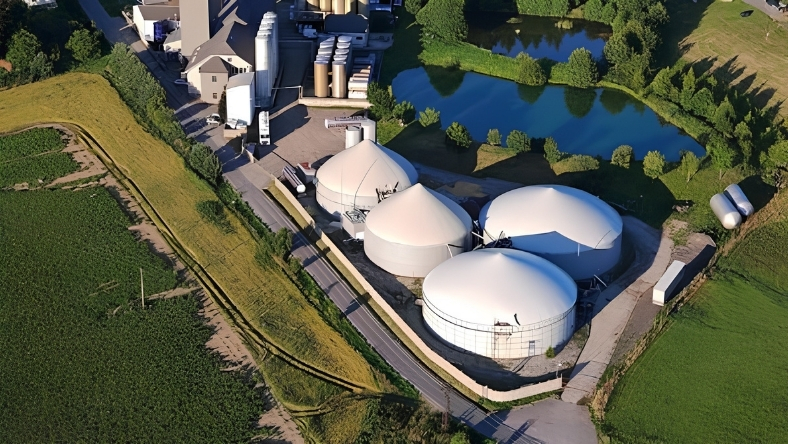
More than half of all biogas captured in the United States last year was converted to electricity, a milestone that reflects a profound shift in how the industry positions itself in an energy-hungry economy
Data released by the American Biogas Council in April 2026 showed that 52 percent of captured biogas went to power generation in 2025, surpassing the share upgraded to renewable natural gas. Nearly 2,600 biogas capture facilities now operate nationwide, with more than 1,450 producing electricity for on-site use or grid delivery. Landfills account for about 75 percent of captured electricity volume; wastewater treatment plants and farm digesters supply the rest
The timing is not coincidental. Artificial intelligence data centers have emerged as one of the fastest-growing sources of electricity demand in the country, and their operators face a structural problem. Interconnection queues for new grid capacity can stretch years. Intermittent renewables cannot guarantee the continuous power that computing infrastructure requires. Biogas, which operates around the clock and draws on existing waste streams, offers something those alternatives cannot: reliability without waiting
Patrick Serfass, executive director of the American Biogas Council, noted that as electricity demand rises driven by data centers and energy-intensive industries, biogas represents one of the largest untapped energy sources available. The organization estimates that more than 17,000 additional biogas systems could be built nationwide using existing waste streams, potentially generating as much as 25 gigawatts of dispatchable renewable electricity
Investment is already moving. Mobius Renewables acquired Air Liquide's U.S. biogas assets in May 2026, including six landfill gas-to-RNG facilities. More than $2 billion was invested in U.S. biogas systems in 2025 alone. The question facing the sector is no longer whether the technology works. It is whether the supply can scale fast enough to meet demand that is accelerating faster than anyone predicted
SUBSCRIBE FOR UPDATES
By submitting, you agree to receive email communications from the event organizers, including upcoming promotions and discounted tickets, new, and access to related events.