RESEARCH
Pipeline Wins the Carbon Race for RNG Delivery
Stony Brook researchers find pipeline transport beats truck-based alternatives on carbon intensity for RNG over distances beyond 250 miles
18 Jun 2026
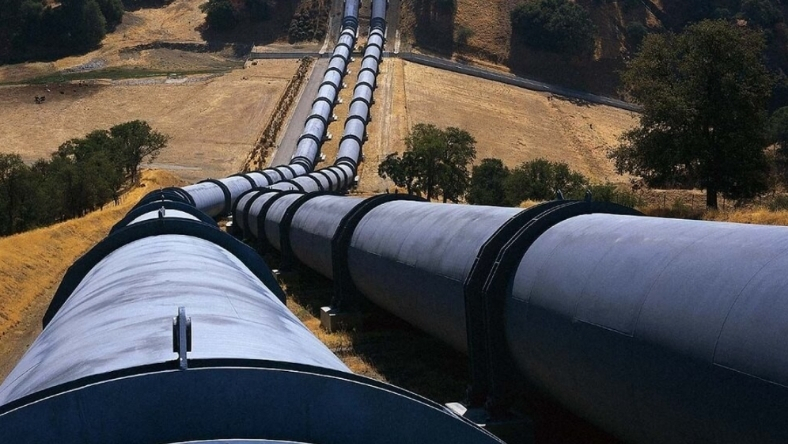
Researchers at Stony Brook University have published a comprehensive life cycle analysis comparing three renewable natural gas transport pathways, with findings that carry direct implications for infrastructure investment decisions across North America
Published in ACS Omega in January 2026, the study applied the GREET-2024 model and California's CA-GREET 4.0 to assess carbon intensity across pipeline, compressed natural gas, and liquefied natural gas transport modes
For distances beyond 250 miles, pipeline delivery produces the lowest carbon footprint. The high energy efficiency of existing transmission networks makes them consistently superior to truck-based alternatives at medium and long range. Compressed natural gas tube trailers achieve the lowest carbon intensity of 3.2 gCO2e/MJ for short hauls under 250 miles, but their limited payload capacity results in sharply higher delivery emissions of 1.56 gCO2e/MJ per 100 miles at greater distances. Liquefied natural gas trailers carry higher baseline emissions at 10.2 gCO2e/MJ yet become competitive only beyond 650 to 900 miles, where their superior energy density offsets transport costs
The findings arrive as pipeline-injected RNG projects are scaling rapidly. Clean Energy Fuels completed its eighth dairy RNG facility at East Valley Cattle in Jerome, Idaho on June 4, 2026. The plant processes over 5 million gallons of manure daily from 35,000 cows across six anaerobic digesters and injects negative carbon-intensity RNG directly into interstate pipeline infrastructure
For utilities and producers weighing distribution strategy, the research provides a framework grounded in existing network economics. Pipeline infrastructure offers both cost efficiency and the lowest carbon outcome for broad distribution. Truck-based virtual pipelines retain a role where networks are unavailable or rapid deployment is operationally essential. The study's conclusions align with the direction of current capital allocation: projects with pipeline access are attracting more investment, and the life cycle data now explains why
SUBSCRIBE FOR UPDATES
By submitting, you agree to receive email communications from the event organizers, including upcoming promotions and discounted tickets, new, and access to related events.